


Glass Sensor Capacitive Touch Panel
Home|Products|Glass Sensor Capacitive Touch Panel
Crystal-Clear Clarity, Robust Sensing — Engineered for Harsh Environments
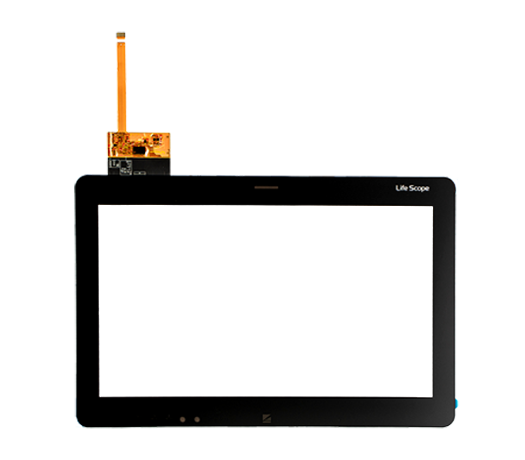
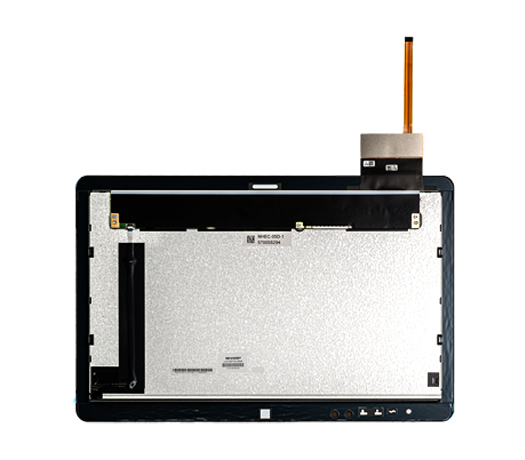
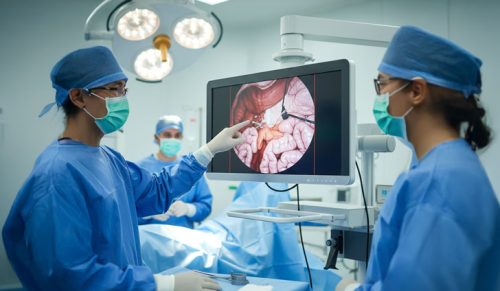
Using glass as the sensor substrate, these touch panels offer superior structural stability and optical performance. They are ideal for high-reliability applications such as industrial HMIs, automotive displays, medical devices, and outdoor terminals. Customizable in size, appearance, circuit design, and surface protection, they can be combined with optical bonding and validation planning to facilitate rapid mass production deployment.
Core Features
Ultimate Transparency for Superior Display Quality
Using optical-grade glass as the sensing substrate helps maintain clear visual presentation, making it ideal for projects with high visibility requirements. For outdoor or high-brightness environments, optical bonding and surface protection options can be added to enhance readability.
Physical Stability – Reducing Drift Risk Under Temperature Changes
Glass substrates are more resistant to deformation under temperature variations, helping maintain touch consistency and linearity in environments with wide temperature fluctuations, such as automotive or outdoor applications.
Enhanced Structural Strength for Longer Equipment Lifespan
Compared to film-based materials, glass sensor structures offer greater resistance to external force and pressure, improving overall structural reliability — ideal for high-frequency use or devices requiring extended service life.
Improved Noise Immunity and Sensitivity Stability
The stable dielectric properties of glass help reduce environmental noise interference, resulting in cleaner touch signals and more consistent response (final performance should still be evaluated within the full system context).
GG Structure Characteristics
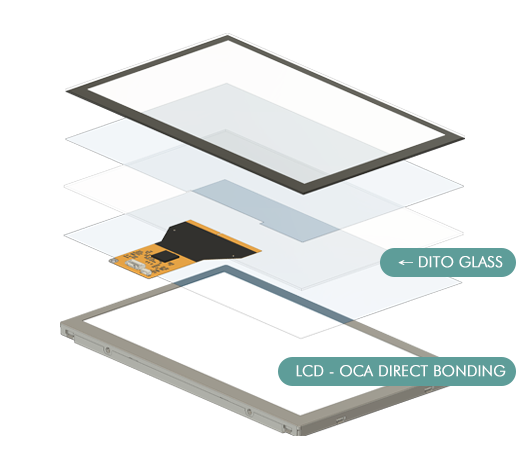
The GG (Glass-Glass) touch structure is a projected capacitive touch solution based on two layers of glass: the upper layer is the cover glass, and the lower layer is the glass sensor. These two layers are bonded together using lamination technology to form a highly reliable, high-transmittance touch solution.
Key features include:
High surface hardness (7H or above)
Scratch and corrosion resistance
Multi-touch support
Excellent image clarity
Commonly used in high-end equipment, industrial control systems, and outdoor applications.
Key features include:
High surface hardness (7H or above)
Scratch and corrosion resistance
Multi-touch support
Excellent image clarity
Commonly used in high-end equipment, industrial control systems, and outdoor applications.
Surface Treatment & Protection Options
The use of film electrodes enables lightweight product designs and offers the flexibility to meet various product requirements, while also providing excellent UV resistance. In addition, we offer firmware customization tailored to the end product, application scenario, and usage conditions — with full firmware tuning support provided by our engineering team.
Anti-Reflection (AR) Treatment
Reduce reflection interference and improve visibility in bright light environments.
Anti-Glare (AG) Treatment
Enhance viewing comfort for long-duration interface use.
Anti-Fingerprint (AF) Treatment
Reduce fingerprint residue for easier cleaning.
Antimicrobial Treatment
Suitable for high-frequency touch interfaces (project-dependent).
Other Surface Treatments & Protection
Recommendations and sample validation planning available upon request.
Specifications & Customization Options
Glass sensor capacitive touch panels are currently not available as standard products and must be provided as customized solutions.
|
Category
|
Specifiable Items (Project-Based)
|
|---|---|
|
Size & Appearance
|
Dimensions, bezel and active area, printed markings, hole/cutout requirements
|
|
Cable Routing
|
Exit direction, position, length, connector type
|
|
Materials & Structure
|
Cover glass material and thickness, anti-scratch and protective layer options
|
|
Operating Conditions
|
Glove support, stylus, wet conditions, oily environments, etc.
|
|
Delivery Format
|
Panel only, module level, fully integrated assembly
|
|
Validation Requirements
|
Environmental, durability, noise immunity testing plans and data output
|
Industry Applications
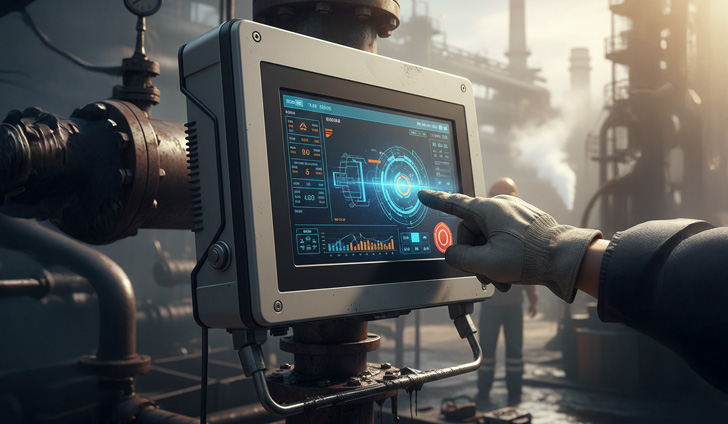
Industrial Automation
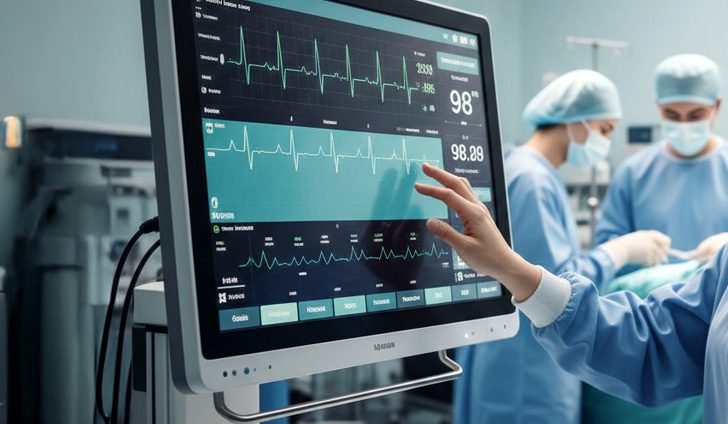
Medical Equipment
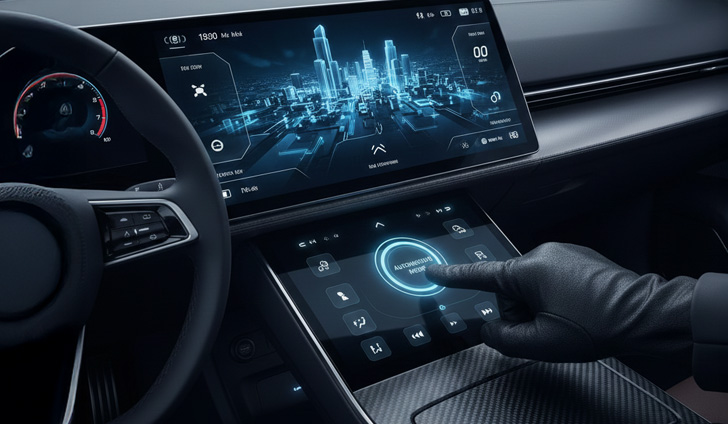
Automotive
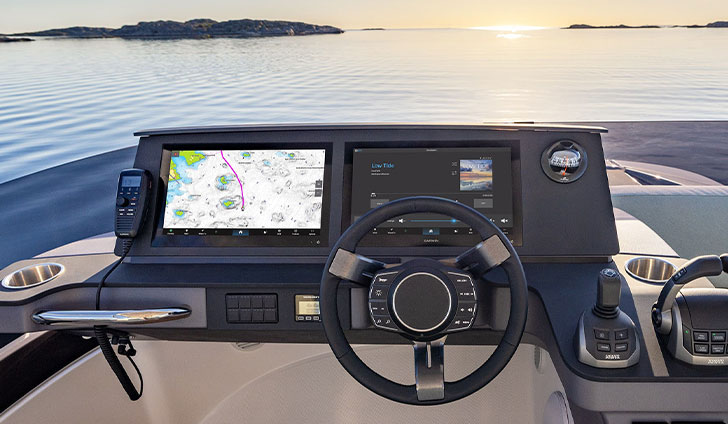
Marine
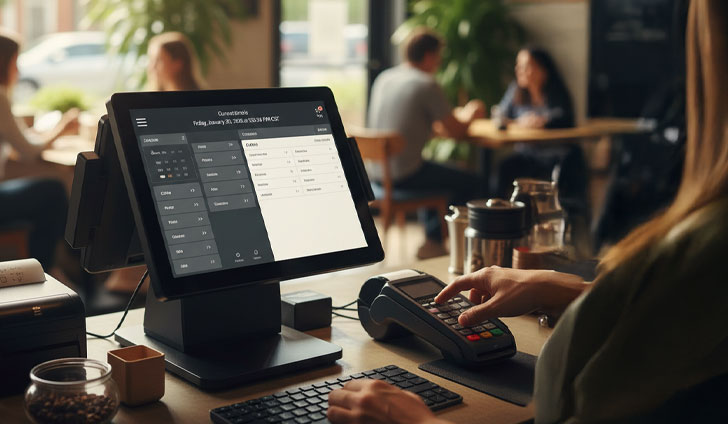
Retail Systems POS
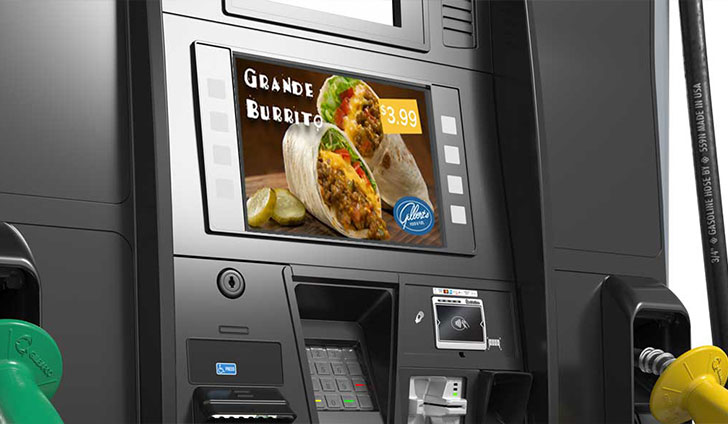
Commercial
FAQ
What is the difference between glass sensor structure and film sensor structure?
Glass sensor structures maintain better structural stability and touch consistency under temperature fluctuations and external stress, making them ideal for projects with higher reliability requirements.
In which scenarios is glass sensor structure recommended?
Industrial long-hour operation, automotive temperature variation environments, medical cleaning and maintenance scenarios, outdoor terminals, and other high-reliability applications.
Can it be combined with optical bonding?
Yes, optical bonding is commonly used to enhance visibility, reduce reflection, and improve structural reliability. Whether to adopt it depends on the maintenance strategy and environmental risk assessment.
What are the standard size ranges? Can larger sizes be accommodated?
Standard sizes range from 7-32 inches; larger sizes can be accommodated for specific projects.
What can be customized?
Size and appearance, printed markings, cable routing and FPC, surface protection, and integrated delivery (project-dependent).
What information is required for quotation and feasibility evaluation?
For an initial evaluation, please provide structure, dimensions, interface requirements, usage scenario, appearance requirements, and estimated volume — drawings are preferred if available.
What kind of validation data can you provide?
We can provide validation plans and data output on a project basis, with items and formats tailored to customer requirements.